Social Security Act Signed into Law
This act is established to enhance general public welfare in the U.S. by setting up a framework for federal benefits and assisting states in better supporting elderly, unemployed, and disadvantaged Americans.
Social Security Amendments of 1956
The Social Security Act is amended to provide benefits to workers with disabilities ages 50-64 and adult children with disabilities.
The Community Mental Health Act of 1963 (CMHA) is Passed
This legislation provides federal funding for community mental health centers and research facilities in the United States, leading to considerable deinstitutionalization for people with I/DD.
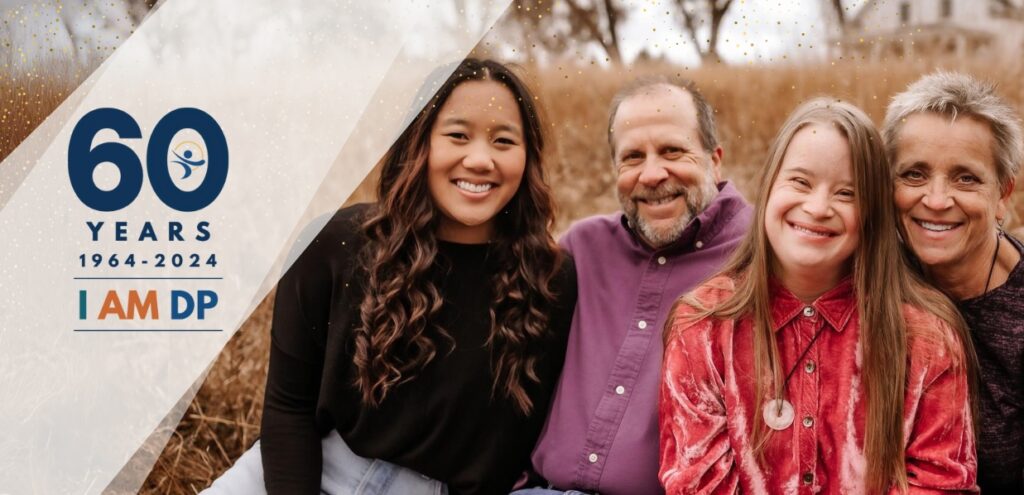
Our Organization is Founded
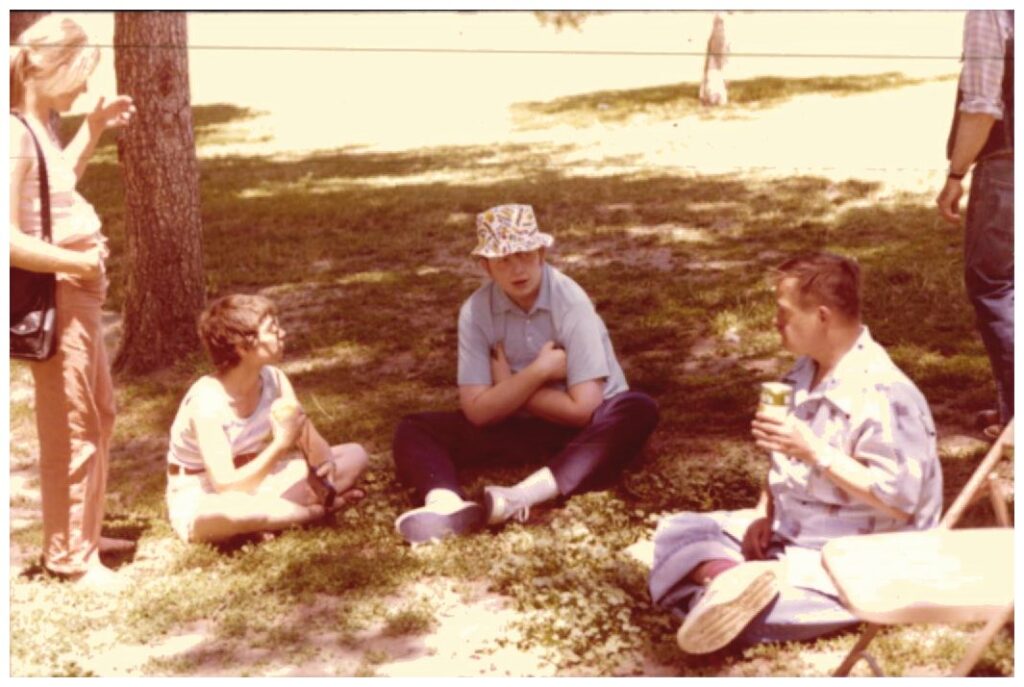
Developmental Pathways, first known as the Suburban Community Training and Services Center, Inc., is founded in Littleton, Colorado. Our goal is to provide support to individuals with intellectual and developmental disabilities and their families within their own communities instead of institutional settings through offering educational, vocational, and residential programs.
Social Security Amendments of 1965
These amendments to the social security act help ensure medical coverage for more Americans, by introducing Medicare, a health insurance program for the elderly, and Medicaid, a health insurance program for individuals with low income. At this point, Medicaid requires coverage of Long-Term Care (LTC) in institutions but not in the home.
Gallup Park and First Creek Schools Open
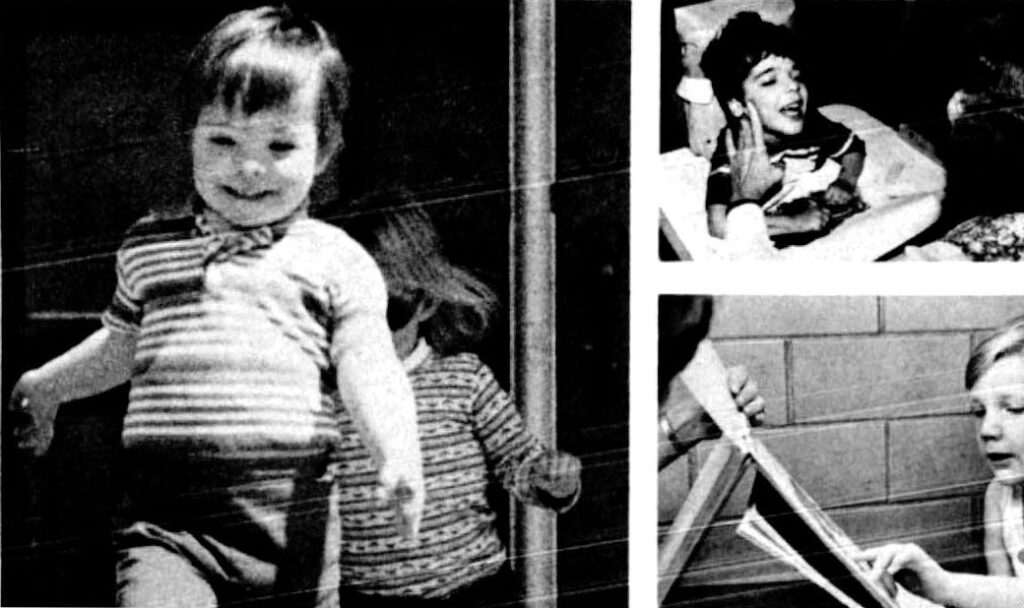
Our first educational programs open in Arapahoe County and Aurora. They are designed to provide a continuum of training for individuals with I/DD, ages birth - 21, within public schools.
Adult Vocation Training and Activity Center Opens
Our first vocational program is founded in Englewood and Aurora. It provides jobs and training to individuals with I/DD by giving each participant a real work environment, commensurate wages, and comprehensive vocational services.
Early Intervention Program Begins
Our Early Intervention program for infants aged 0-3 years old with developmental delays begins. It is founded when it became evident that early developmental interventions for babies had a significant impact on their later growth.
Individuals with Disabilities Education Act (IDEA) Passes
Formerly known as the Education for All Handicapped Children Act, it leads to DP’s educational programs being integrated into local schools. Local school districts take over the Gallup and First Creek schools and generally hire our employees to teach in the programs.
Medicaid Home and Community-Based Services Waivers Established
Section 1915(c), an amendment to The Social Security Act of 1981, introduces Medicaid home and community-based (HCBS) waivers. These waivers enable Long-Term Services and Supports (LTSS) to be delivered at home or intermediate levels of care rather than solely in nursing home facilities.
Colorado introduces first HCBS Waiver: Home and Community-Based Services for the Developmentally Disabled (HCB-DD)
Colorado is one of the first states to implement an LTSS waiver with the Home and Community-Based Services Waiver for Persons with Developmental Disabilities. It provides access to 24-hour, seven days a week supervision through Residential Habilitation and Day Habilitation Services and Supports.
Our Organization becomes Developmental Pathways
Suburban Community Training and Services Center, Inc. changes its name to Developmental Pathways.
Colorado implements Elderly, Blind and Disabled waiver (EBD)
Provides assistance to people ages 65 and older who have a functional impairment, or are blind, or to people ages 18-64 who are physically disabled or have a diagnosis of HIV or AIDS, and require long-term supports and services in order to remain in a community setting.
Omnibus Budget Reconciliation Act of 1987 Passed
This act implements quality controls and penalties for nursing homes, introduces training requirements for nurses’ aides, and establishes training standards for home health agency employees. This legislation was crucial for individuals receiving health care patients and ensured their rights were similar to those in nursing homes.
Family Support Program Begins
Our Family Support Program begins. It provides financial assistance and care coordination to families caring for a member with I/DD and is designed to meet these needs in partnership with them, rather than more expensive options.
The Americans with Disabilities Act (ADA) becomes Law
A pivotal law that prohibits discrimination against individuals with disabilities in many areas of public life, including jobs, schools, transportation, and many public and private places, in order to ensure people with disabilities have the same rights and opportunities as everyone else.
Colorado implements Children’s HCBS waiver and Colorado Child Health Plan
The Children's Home and Community-Based Services Waiver (CHCBS) is established for children with significant medical needs and who are at risk for institutional care in an acute hospital or skilled nursing facility. Child Health Plan Plus (CHP+) is created as a public low-cost health insurance for certain children and pregnant women who earn too much to qualify for Health First Colorado (Colorado's Medicaid program), but not enough to pay for private health insurance.
Programs of All-inclusive Care for the Elderly (PACE) established in Colorado
Total Long-term Care is established in Colorado, as one of the pioneering nationwide Programs of All-Inclusive Care for the Elderly (PACE) funded by Medicare and Medicaid. PACE provides comprehensive health care services to their participants to enable older adults to live in the community as long as medically and socially feasible.
Colorado implements the Persons with Brain Injury (BI) Waiver
The Brain Injury (BI) waiver is implemented to help people with a brain injury who need extra support to live in their communities.
Colorado implements Children’s Habilitation Residential Program (CHRP), Children’s Extensive Support (CES), and Supported Living Services (SLS) waivers
The CHRP waiver provides services for children and youth who have an I/DD and very high needs. The CES waiver brings Medicaid funding for children with developmental disabilities who have the most intensive behavioral and/or medical needs. The SLS waiver provides necessary services and supports for individuals with adults with an I/DD so they can remain in their homes and communities with minimal impact to individuals' community and social supports.
The New Freedom Initiative is Passed
A comprehensive program to promote the full participation of people with disabilities in all areas of society by increasing access to assistive and universally designed technologies, expanding educational and employment opportunities, and promoting increased access to daily community life.
Mill Levy Funding is Established
Referendum 4(a) is proposed to provide Mill Levy funding from both Arapahoe and Douglas Counties. This means a portion of property taxes would be taken from each county and given to DP to fund supports for individuals with I/DD. It passes with 60% voter approval in Douglas County, and 63% voter approval in Arapahoe County.
Colorado implements Community Mental Health Supports (CMHS) Waiver
CMHS provides assistance to people with a mental illness that require long-term supports and services in order to remain in a community setting.
In-Home Supportive Services (IHSS) and Consumer Directed Attendant Support Services (CDASS) signed into Law
Creates participant directed options for LTSS. IHSS allows individuals to direct and manage the attendants who provide their personal care, homemaker and health maintenance services, with the added support of an agency. CDASS allows individuals to direct and manage the attendants who provide their personal care, homemaker, and health maintenance services, rather than working through an agency.
Colorado Implements Children with Life Limiting Illness Waiver (CLLI)
CLLI program provides Health First Colorado benefits in the home for children with a life-limiting illness. This waiver allows families to seek curative treatment while their child is receiving palliative care.
Affordable Care Act (ACA) Passed
Provides new options to states under the Medicaid program to incentivize the improvement of their LTC infrastructures and expand HCBS.
Community Outreach Program Created
We create our Community Outreach Program (currently called Community Outreach Waitlist Services Program). It supports individuals on the waitlist to access other programming and adds additional support for children exiting the Early Intervention program by filling any gaps in services.
Children's Extensive Support Waiver Waitlist ended
The state of Colorado helps to take 700 children off the Children's Extensive Support Waiver waiting list, allowing them to receive services. This effectively eliminates the years-long wait for families seeking help for their children with high needs.
Waitlist eliminated for Supported Living Services (SLS) Waiver
Colorado Legislature ends the waitlist so that anyone who qualifies for the SLS waiver can now enroll in and receive services.
Home and Community Based Services Settings Final Rule
The Centers for Medicare and Medicaid Services introduces the HCBS Final Settings Rule, requiring a person-centered approach to care. By July 1, 2024, case management agencies are required to be conflict-free, in line with these regulations.
No Wrong Door (NWD) Implemented
An effort to streamline access to Long-Term Services and Supports (LTSS) for all people in need regardless of age, disability or pay source.
Complementary and Integrative Health Waiver (CIH) Implemented
Previously called the Spinal Cord Injury Waiver (SCI), this waiver is for adults with a spinal cord injury (traumatic or non-traumatic), multiple sclerosis, brain injury, spina bifida, muscular dystrophy, or cerebral palsy who can't walk independently.
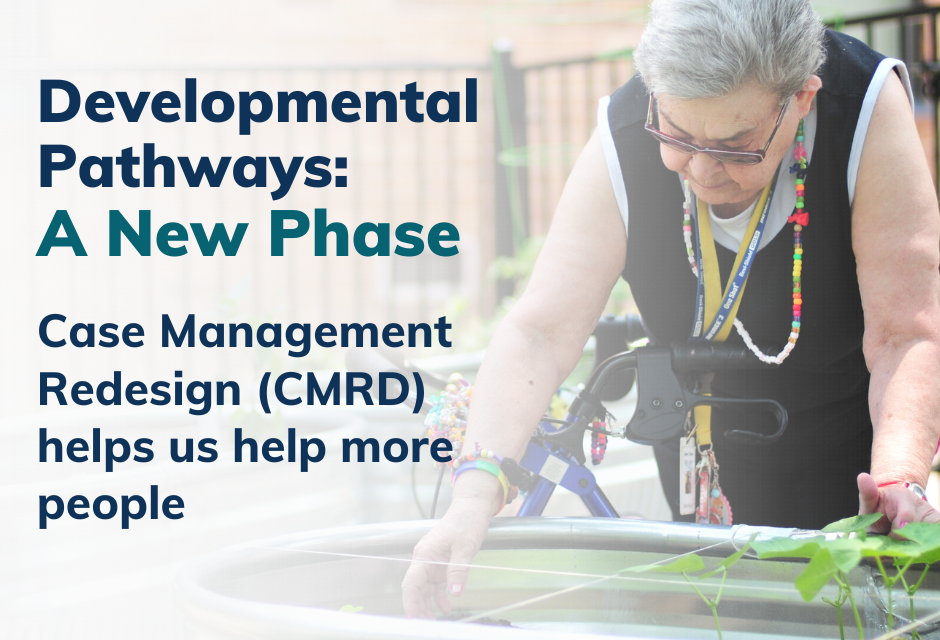
We Transition to a Case Management Agency
We successfully launch a major transition to become a Case Management Agency. It enables us to provide case management services for Arapahoe, Douglas, and Elbert counties.